

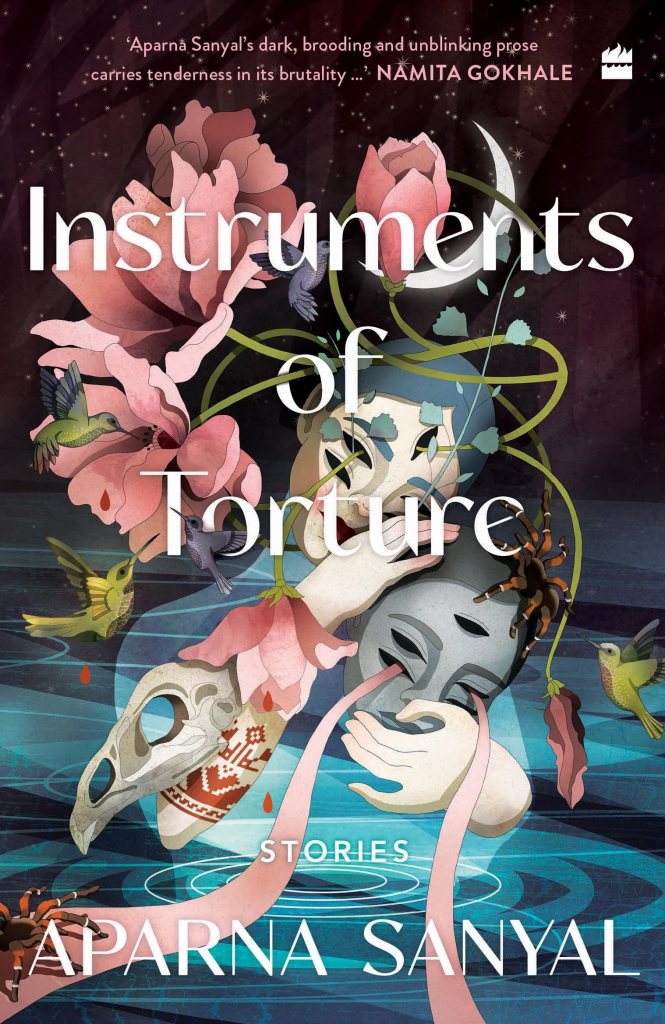
Instruments of Torture by Aparna Upadhyaya Sanyal, Harper Collins India, 2024 ; ISBN, 9356296731, 9789356296732, Rs 399
by Namrata M
Aparna Upadhyaya Sanyal’s Instruments of Torture is an uncompromising exploration of the darker recesses of the human mind, where suffering and cruelty take on grotesque, yet painfully familiar forms. In these stories, the instruments of medieval torture become metaphors for the emotional, psychological, and societal wounds inflicted on individuals who live at the fringes—those whose pain is often unseen but no less visceral. Each story pulses with a raw, almost unbearable intensity, compelling the reader to confront the brutality that exists both within us and around us.
Sanyal’s brilliance lies not just in her vivid, often harrowing, prose but in the way she dissects the human psyche with surgical precision. The stories are named after medieval torture devices—such as The Rack, The Scold’s Bridle, and The Brazen Bull—but the true horror lies not in the historical tools themselves but in the way they serve as allegories for contemporary forms of suffering. In The Rack, for instance, we meet a man whose body becomes a site of manipulation and violation, subjected to medical interventions that seek to “cure” his dwarfism. His anguish is palpable, as the societal pressure to conform distorts his very sense of self, stretching him—literally and metaphorically—into someone he no longer recognizes.
What makes Instruments of Torture so devastatingly poignant is Sanyal’s ability to make the reader feel complicit. We are not mere observers of these tales but participants in the ongoing cycle of torment, as the stories hold up a mirror to our own subconscious fears, prejudices, and desires. The forbidden love affair that blooms within a sacred space in The Iron Maiden speaks not only to the dangers of societal transgressions but also to the silent prisons we build within our hearts—shackles forged by guilt, shame, and longing.
Sanyal’s characters, marginalized and isolated, are rendered with such aching humanity that their pain becomes our own, a visceral experience that transcends the page. They inhabit the shadowy spaces at the edges of society, often overlooked and misunderstood, victims of both circumstance and the systems that bind them. These are individuals who have been torn apart by forces far beyond their control—whether by the rigid dictates of the state, the cold, clinical detachment of the medical establishment, or the very people they once trusted and loved. The brutality they face is both literal and metaphorical, and it serves as a sharp commentary on the structures that shape our lives, often to the detriment of the most vulnerable.
Yet, in their profound vulnerability, Sanyal’s characters reveal a startling, unexpected strength. Their torment is not merely physical, nor is it one-dimensional; it is the suffocating weight of societal expectations, the anguish of rejection, and the quiet, unspoken sorrow of being forgotten. Each of them is thrust into a crucible of suffering that feels overwhelming, even insurmountable. But what makes these stories so powerful is the way Sanyal deftly shifts the narrative away from mere victimhood. The torture her characters endure—whether it is medical manipulation, emotional betrayal, or institutionalized oppression—does not annihilate them. Instead, it strips away their illusions, forcing them to confront the darkest aspects of their own existence.
Through this confrontation, Sanyal offers glimpses of resilience amid the wreckage. The characters emerge from their torment irrevocably altered, yet still intact. In many ways, their survival is the ultimate act of defiance. They are scarred, perhaps beyond repair, but they continue to endure, finding pockets of strength within their pain. It is within these moments of quiet resistance that Sanyal allows her characters—and the reader—to glimpse the possibility of redemption, even if it remains just out of reach.
In Instruments of Torture, Sanyal masterfully explores the paradoxical relationship between suffering and survival. Her characters, though marginalized and damaged, demonstrate that even in the depths of agony, there is a flicker of strength that cannot be extinguished. They are reminders that, no matter how broken the world may leave us, the will to endure, to resist, and to reclaim some measure of dignity remains a powerful force. Through their stories, Sanyal gives voice to the silenced, the forgotten, and the dispossessed, reminding us that even in the darkest corners of human experience, there is a glimmer of resilience waiting to be discovered.
The most powerful instrument of torture, however, is not the devices themselves, but the relentless gaze of the reader. Sanyal leaves us with no escape, forcing us to face the discomfort of our complicity in a world that thrives on violence and suppression. The book is not merely a collection of stories but a haunting symphony of pain and survival, where each note reverberates with the sharp, unmistakable truth of human suffering.
Instruments of Torture is a work that refuses to look away from the darkest corners of the human soul. Aparna Upadhyaya Sanyal weaves an intricate web of anguish, love, and power, capturing the moments when the boundary between victim and survivor blurs. It is a testament to the indomitable spirit that persists, even in the face of unspeakable torment. This book is as much an examination of cruelty as it is a meditation on endurance—and it will linger in the mind long after the final page has been turned.
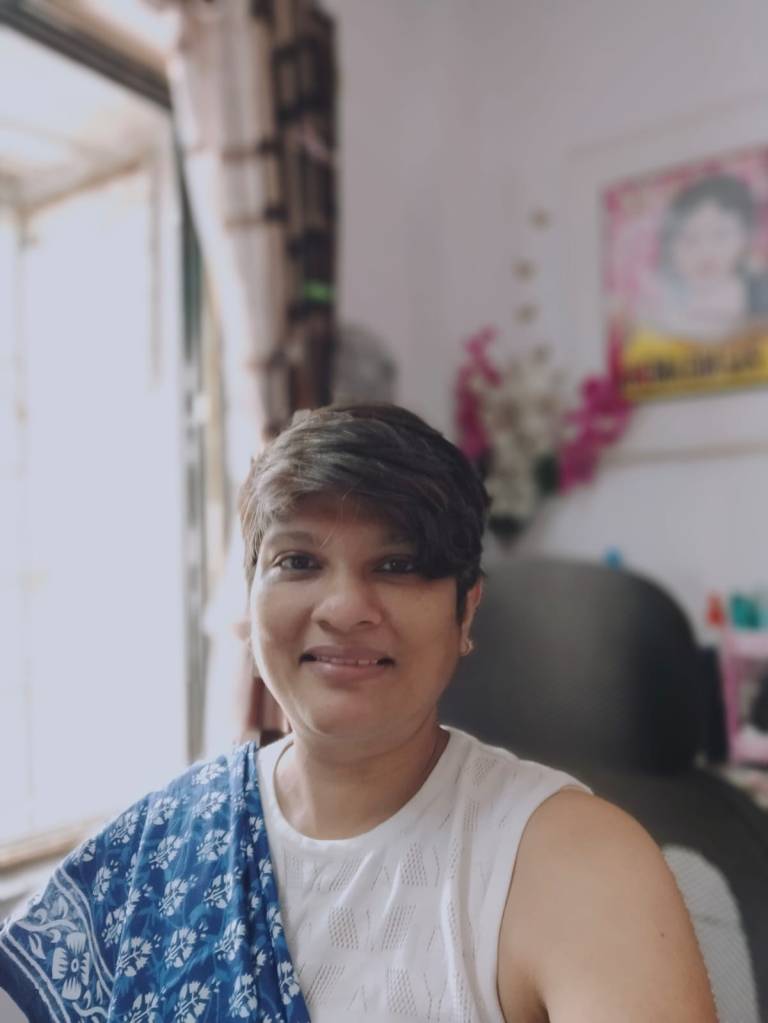
Namrata is the founder of Keemiya Creatives and hosts The Bookbot Theory podcast.

 TheDaak review
Leave a comment