
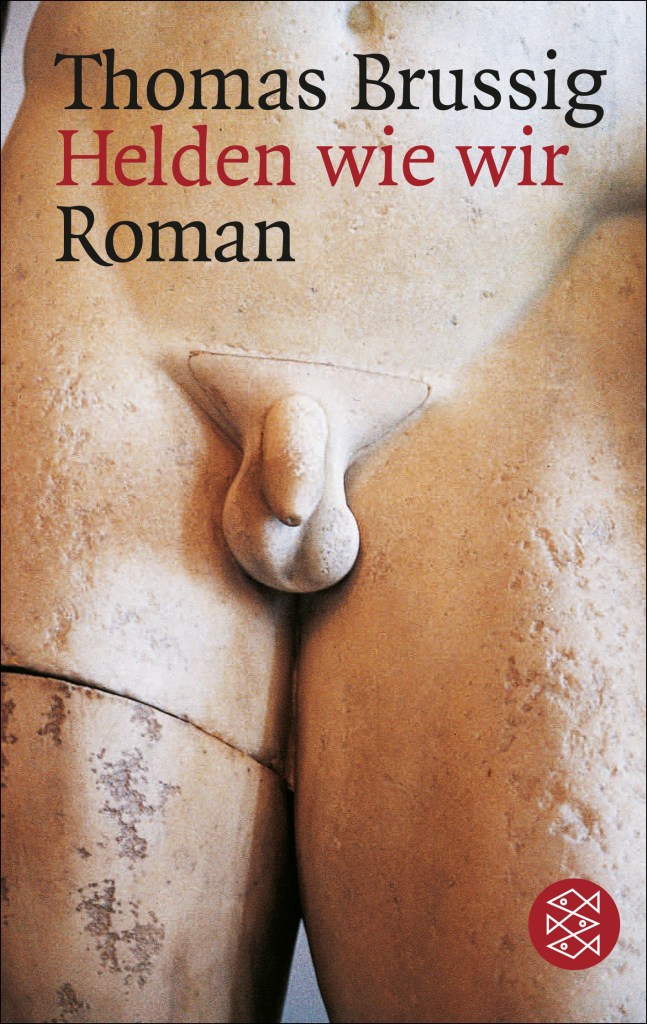
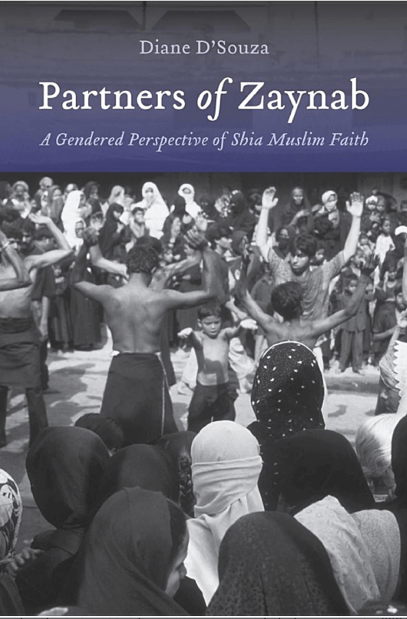
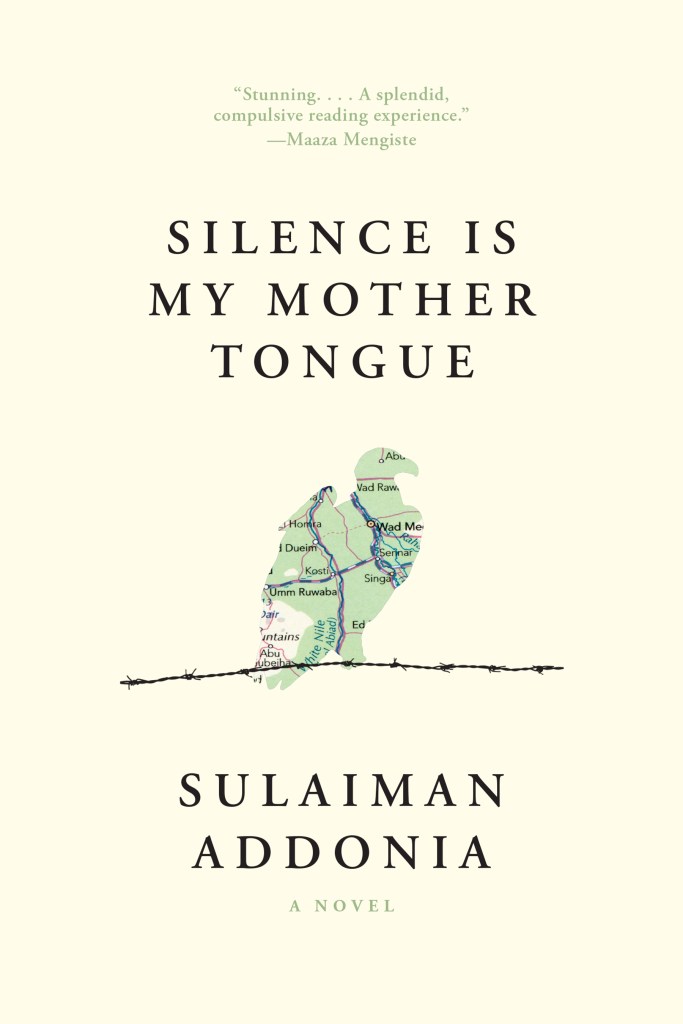
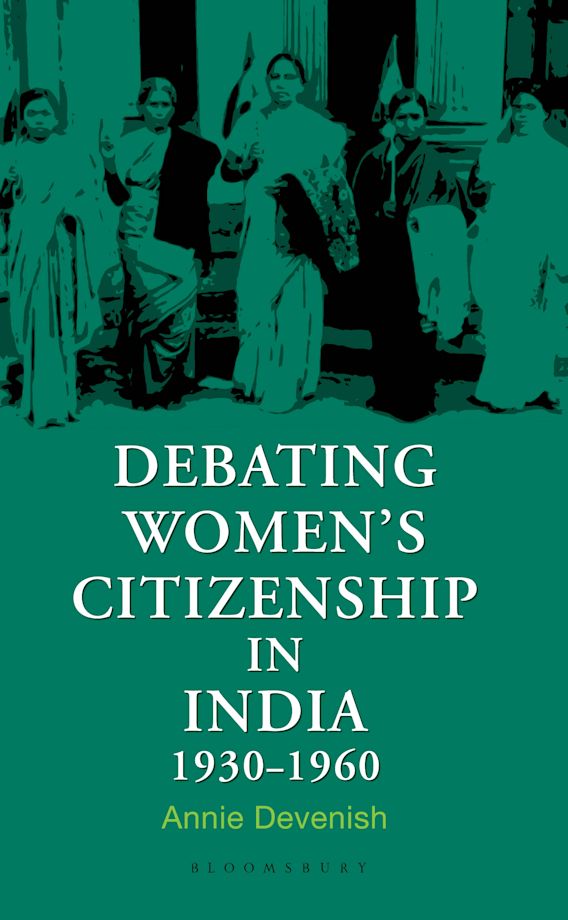
For the first issue we presented ourselves the most interesting yet most exciting theme of Gender. Neither is Gender a new subject, nor is it something that has not been spoken of or written about. Despite which it remains the most contested and debated of themes. Gender identity remains intertwined with one’s sense of self, in ways that we hardly ever seem to comprehend in its entirety. Gender and identity come to acquire a dominant role in what is defined as intrinsic to a person. We know from within the dominant frames of hetronormativity that gender is made to be fixed to the societal and cultural roles and expectations that come with being either male or female.Acceptance of gender and its associated identity in a one-dimensional society that only sees gender as men or women and discards other types of gender notions is an act of bravery in itself.Gender expression is how a person presents their gender to the world through appearance, behavior, and mannerisms. Both gender and identity are complex and multifaceted and can change over time.This issue discusses books written around how gender and identity tend remain interspersed within the life, politics, labour, love, religion and belonging.





 TheDaak review